
Whole-house or a few rooms
Heat Pump Installation in Winthrop, MA
Warmth when the wind howls in off the harbor, cool air on muggy evenings, and a crew that sizes the system from the way your house actually loses warmth rather than from a guess.
Heat Pumps That Hold Up When the Wind Comes Off the Water
Out here on the peninsula the winter wind does not ease up, and a heat pump that looked fine on paper can come up short on the night it matters most if it was picked by matching the old boiler. That is the most common mistake in this trade, and it cuts both ways: boilers from past decades were usually oversized, so a heat pump copied from one tends to cycle on and off, never settles into its efficient range and leaves the place clammy in summer, while a unit chosen too small runs flat out in a cold snap and still loses ground. So our crew starts every job with a tape measure and a notepad. We go room by room, count the windows, look at what insulation is in the attic and walls, account for how exposed the house is to the harbor wind, and work out what each space loses on a design-cold night. From those numbers we decide whether the house is best served by ducted air handlers, ductless heads or some of each, and we pick cold-climate equipment listed to keep producing heat well below freezing. The finished system hums along steadily, keeps bedrooms comfortable through the nastiest nor'easter, cools every floor come summer, and lines up with Mass Save's rules since hardware and forms got planned hand in hand.
What the Crew Handles on an Install
Each house has its own quirks, but these are the jobs we take care of on almost every one.
Heat-loss survey
Floor area, glass, insulation and drafts measured in every room and turned into a heating figure for each.
A layout that reaches every room
Ducted, ductless or both, arranged so no lived-in space is left depending on a neighboring room's heat.
Deep-cold equipment
Cold-climate models from the program's qualifying list, chosen to keep delivering heat on frigid nights.
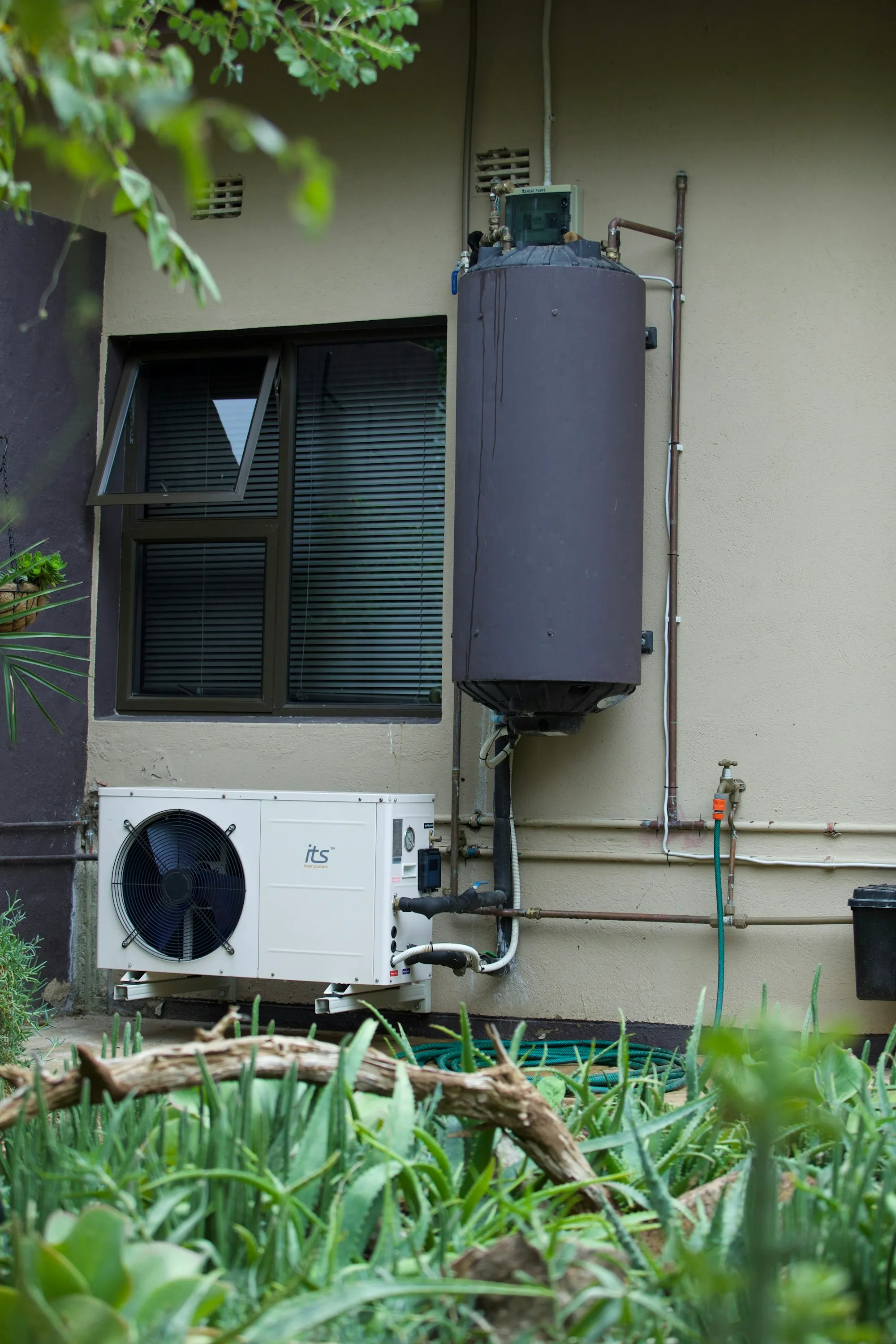
Outdoor units set up high
Condensers on stands or brackets that keep them above drifting snow and out from under roof drip.
Clean line runs
Refrigerant and drain lines routed along the neatest path and covered where they run on the exterior.
Controls dialed in
Thermostats or remotes set so each zone holds temperature and any remaining backup heat stays off until deep cold.
Startup checks
Charge, airflow and supply temperatures confirmed on each zone before the crew packs the truck.
Hands-on handover
The whole household shown how to run modes, clean filters and read the controls.
From the First Call to the First Cold Night
Talk it through
We hear about the house, the fuel, the cold rooms and whether rebates or financing matter to you.
Measure in person
The crew sizes each room and scouts locations for outdoor units and line runs.
Written plan
Equipment, layout, cost, rebate estimate and any loan figure collected in one proposal.
Install and fire up
Everything goes in, gets tested zone by zone, and you get the walkthrough.
Why Homeowners Hand Us the Job
Sized from your rooms
The heat-loss numbers choose the equipment, so it fits the house you live in.
Planned around the programs
Equipment and backup controls chosen with rebate conditions already in view.
Careful in your home
Floors covered, lines kept tidy and every scrap cleaned up before we go.
- Room-level heat-loss survey
- Equipment for deep cold
- Zone-by-zone startup
- Walkthrough for the household
How Much Heat Pump Does Your House Take?
Tell us how many floors you have, what heats them and where the cold spots are. We will explain what the crew looks at on a measuring visit and what kind of system usually suits a home like yours.